
Case Study: How a Family Downsized to a Tiny Home and Thrived
In today’s world, the concept of downsizing has gained significant traction, with many families opting for a simpler, more sustainable lifestyle. One such family took the bold step of moving into a tiny home, and the results were transformative. This case study explores how they managed the transition and the positive changes that followed.
The Motivation Behind Downsizing
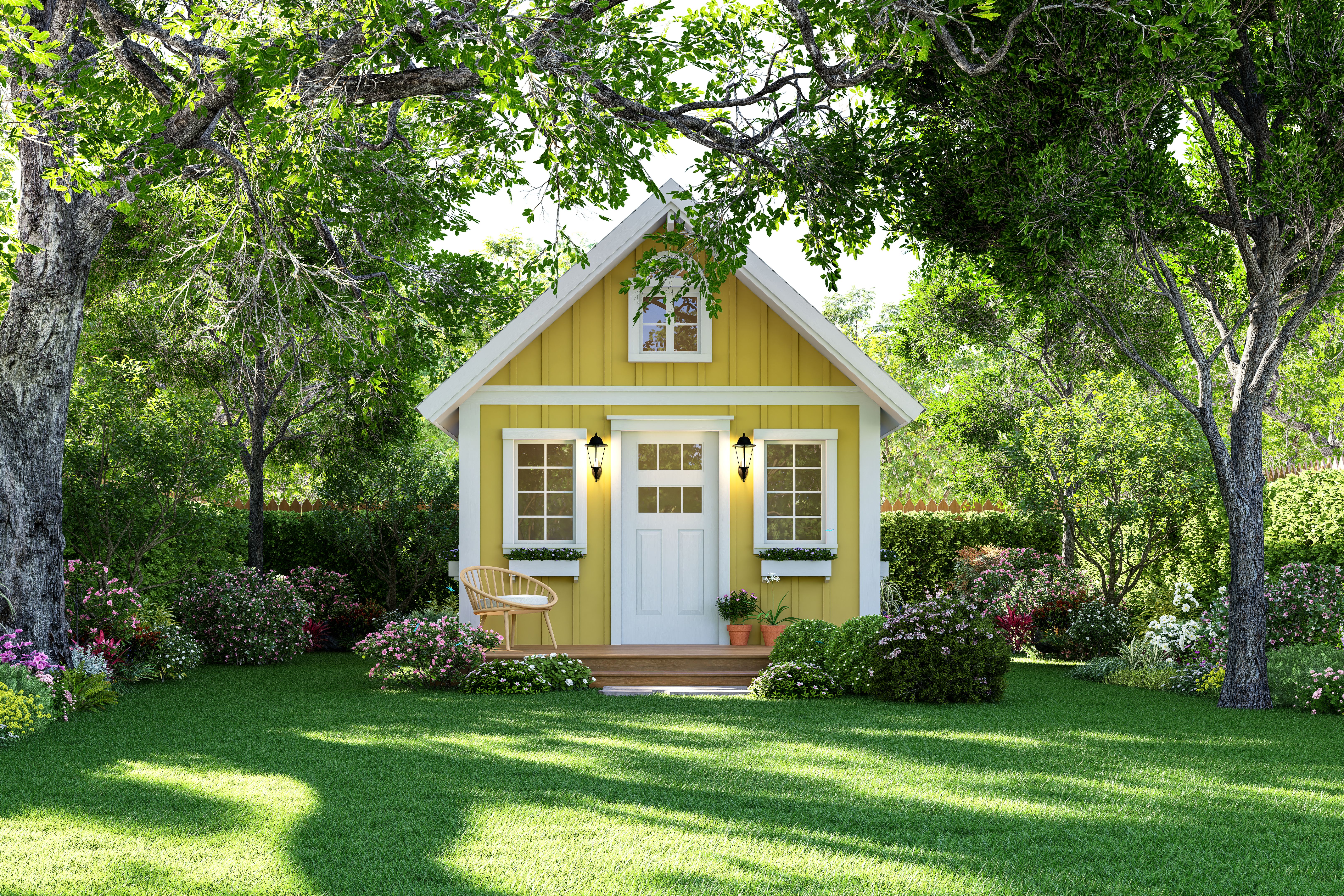
The family's journey began with a desire for financial freedom and a reduced environmental impact. The parents, both environmentally conscious, wanted to instill these values in their children. By moving into a tiny home, they aimed to simplify their lives and focus on what truly mattered.
Financial constraints were also a driving force. With rising housing costs, living in a smaller space offered a practical solution that allowed the family to save and invest in experiences rather than material possessions.
Designing the Perfect Tiny Home
Designing a tiny home requires careful planning to maximize space and utility. The family collaborated with a skilled architect who helped them create a layout that was both functional and aesthetically pleasing. Key features included multi-purpose furniture, creative storage solutions, and the use of natural light to enhance the sense of space.
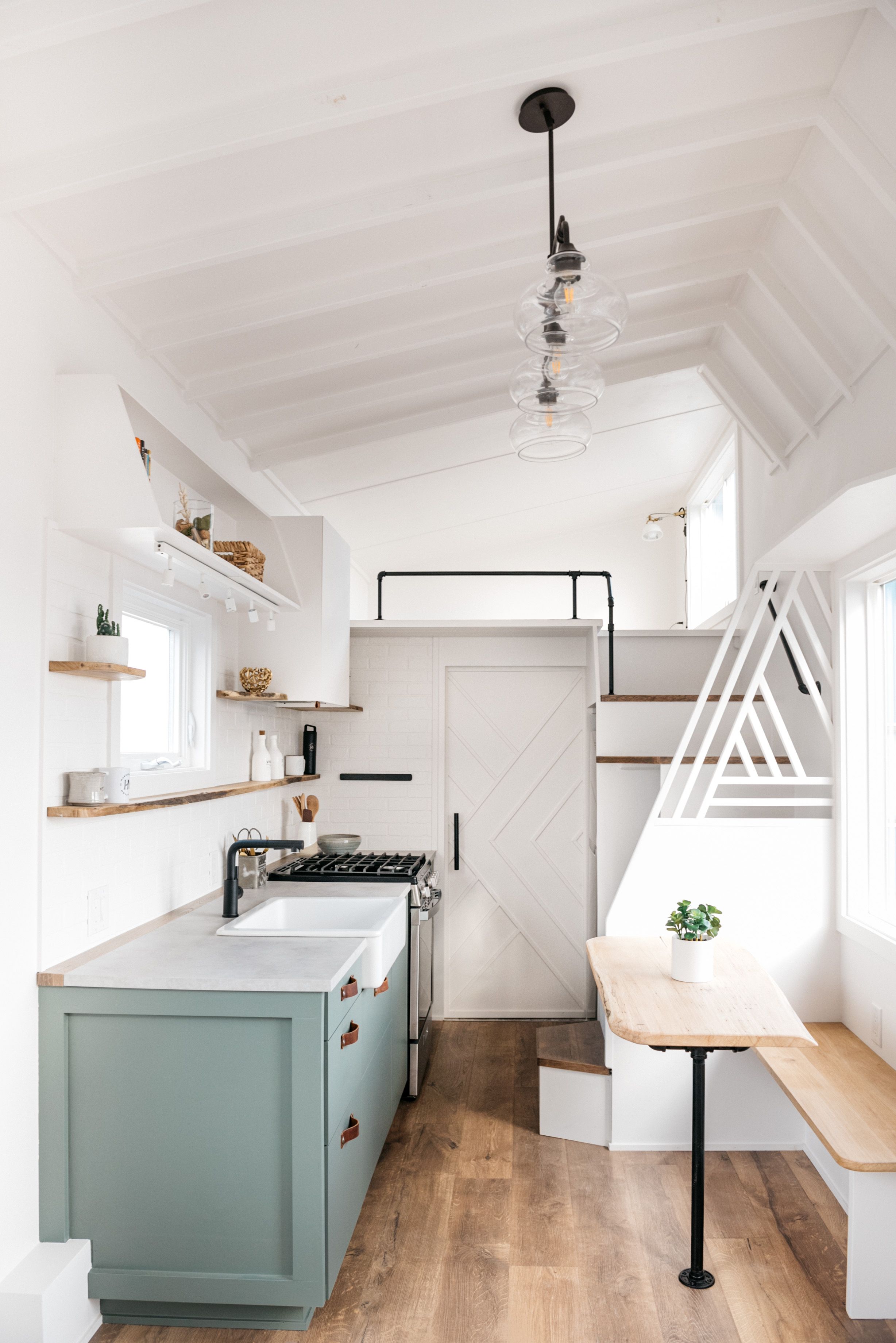
Additionally, the family made sure to incorporate eco-friendly materials and energy-efficient appliances. Solar panels and a rainwater collection system further supported their sustainable lifestyle.
Adapting to a New Lifestyle
Transitioning to a tiny home required significant lifestyle changes. Initially, the family had to declutter and part with items that no longer served a purpose. This process, while challenging, was liberating and allowed them to focus on essentials.
- Minimalist living encouraged stronger family bonds as they spent more time together in shared spaces.
- Outdoor activities became a regular part of their routine, fostering a deeper connection with nature.

The Benefits of Tiny Living
The benefits of living in a tiny home quickly became apparent. Financially, the family experienced reduced living expenses, which allowed them to invest in travel and education, creating lasting memories and opportunities for growth.
Environmentally, their reduced carbon footprint contributed to a sense of fulfillment and responsibility. The children learned valuable lessons in sustainability, which they shared with friends and community members.
Challenges and Solutions
Despite the many benefits, the transition was not without challenges. Limited space sometimes led to feelings of confinement, particularly during extreme weather conditions. To address this, the family created outdoor living areas to extend their usable space.
Another challenge was maintaining privacy, especially as the children grew older. The family tackled this by incorporating flexible room dividers and personalized spaces for each family member.
Conclusion: A Life Transformed
The decision to downsize to a tiny home not only met the family’s initial goals but also enriched their lives in unexpected ways. They discovered the joy of simple living, financial freedom, and a sustainable lifestyle that aligned with their values.
For families considering a similar move, this case study highlights the importance of thoughtful planning, adaptability, and a willingness to embrace change. Ultimately, the journey to tiny living can lead to a more fulfilling and harmonious life.