
Choosing Between ADU Housing and Tiny Homes
Understanding ADU Housing and Tiny Homes
In recent years, the popularity of alternative living spaces has surged, with ADU housing and tiny homes leading the charge. Both options offer unique benefits and cater to different needs. But how do you decide which is the right choice for you? This guide will help you explore the differences and advantages of each.

What is ADU Housing?
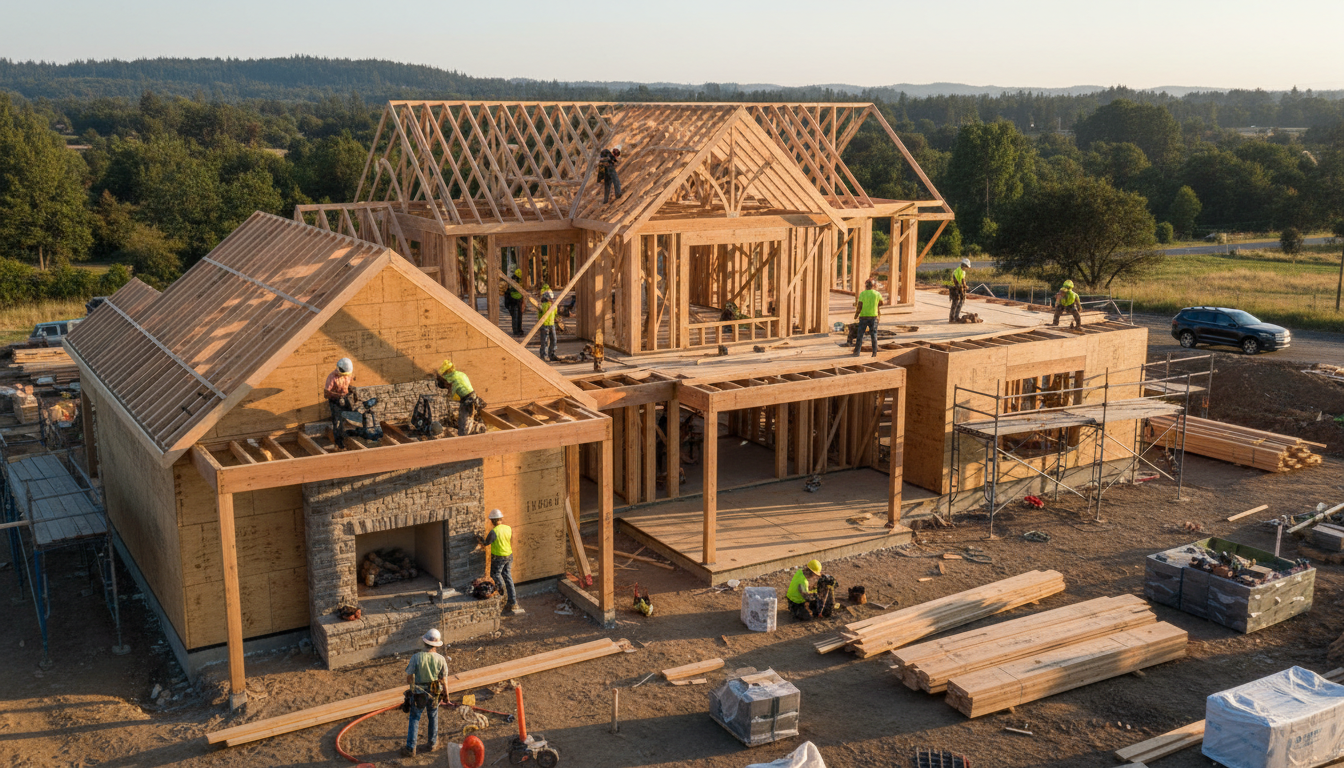
Accessory Dwelling Units (ADUs) are secondary housing units located on the same lot as a primary residence. They can be attached to the main house or stand alone as a separate structure. ADUs are perfect for those looking to expand their living space without purchasing additional land.
ADUs generally offer more space than tiny homes, making them suitable for families or individuals who need extra room. They often include full kitchens, bathrooms, and multiple living areas.
The Appeal of Tiny Homes
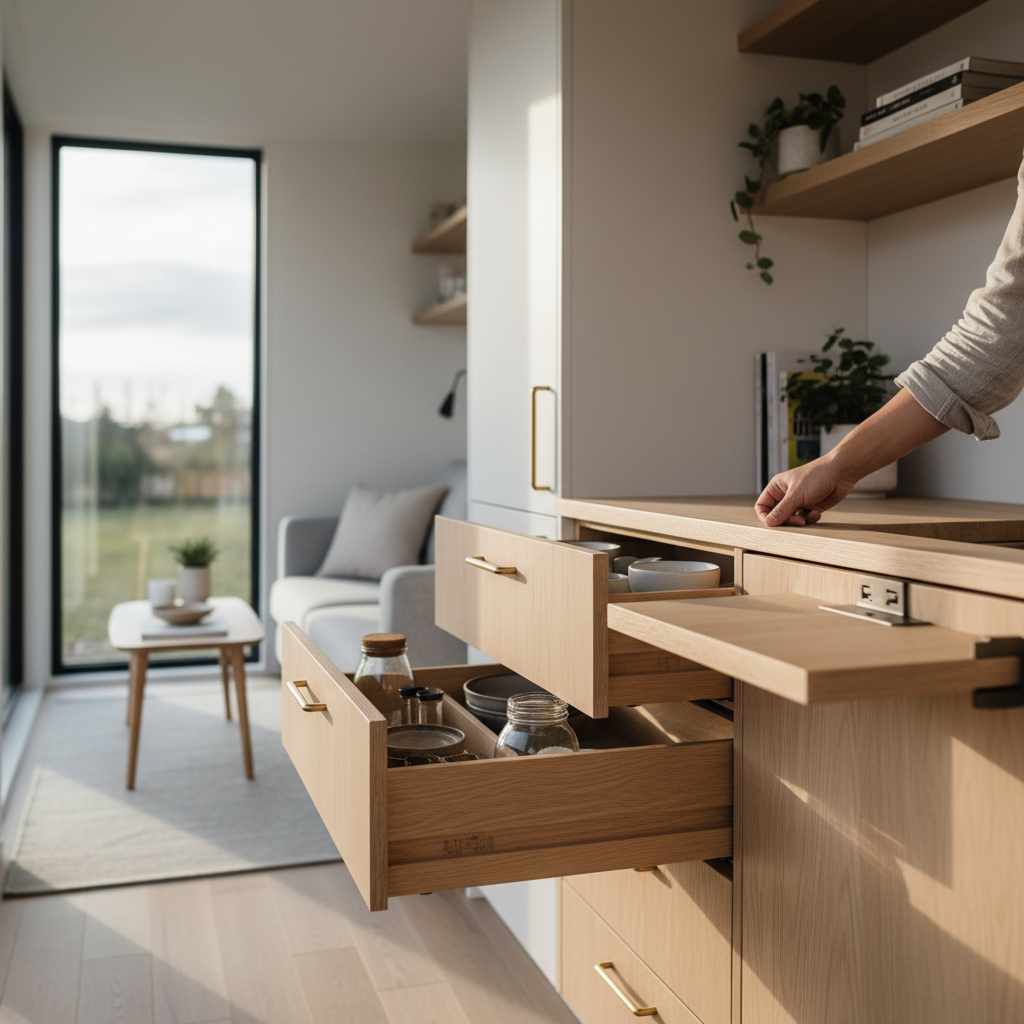
Tiny homes are compact, efficient living spaces usually under 400 square feet. They appeal to those who prioritize simplicity and minimalism. Tiny homes can be built on wheels, offering mobility and flexibility, or on a foundation for a more permanent solution.
These homes are often more affordable to build and maintain, making them an attractive option for those looking to reduce their carbon footprint and live a more sustainable lifestyle.
Key Considerations in Choosing Between ADUs and Tiny Homes
Space and Functionality
When deciding between an ADU and a tiny home, consider how much space you need. ADUs typically offer more room, which is beneficial for families or those needing extra storage. In contrast, tiny homes require a more minimalist approach to belongings and lifestyle.
Cost and Affordability
Both options can be cost-effective, but the overall expenses can differ. ADUs may require more investment upfront due to construction and permits, while tiny homes usually have lower initial costs. However, ongoing maintenance and utility costs might vary based on the size and complexity of the home.
Mobility and Flexibility
If mobility is a priority, a tiny home on wheels might be the ideal choice, allowing you to travel and live in different locations. On the other hand, ADUs are more permanent structures, suited for those who plan to stay long-term in one place.
Legal and Zoning Regulations
Before making a decision, research local zoning laws and regulations. ADUs often require specific permits and must adhere to local building codes. Tiny homes, especially those on wheels, might face fewer restrictions but still need to comply with certain standards.
Conclusion
Choosing between ADU housing and tiny homes depends on your personal needs, lifestyle preferences, and financial situation. By considering the space, cost, mobility, and legal requirements, you can make an informed decision that aligns with your living aspirations. Both options offer innovative solutions to modern housing challenges, enabling you to embrace a unique and fulfilling way of life.
Check out our website!