
Expert Tips for Designing Your Perfect Tiny Home
Understanding Your Space Needs
To design the perfect tiny home, it's crucial to start by understanding your space needs. Consider how you plan to use each area and prioritize accordingly. Are you an avid cook? You might want a larger kitchen space. Do you work from home? A small, dedicated office nook could be essential.
Creating a list of must-have features and nice-to-have options can help in making these decisions. Once you have this list, you can start planning your layout to maximize efficiency and comfort.
Maximizing Storage Solutions
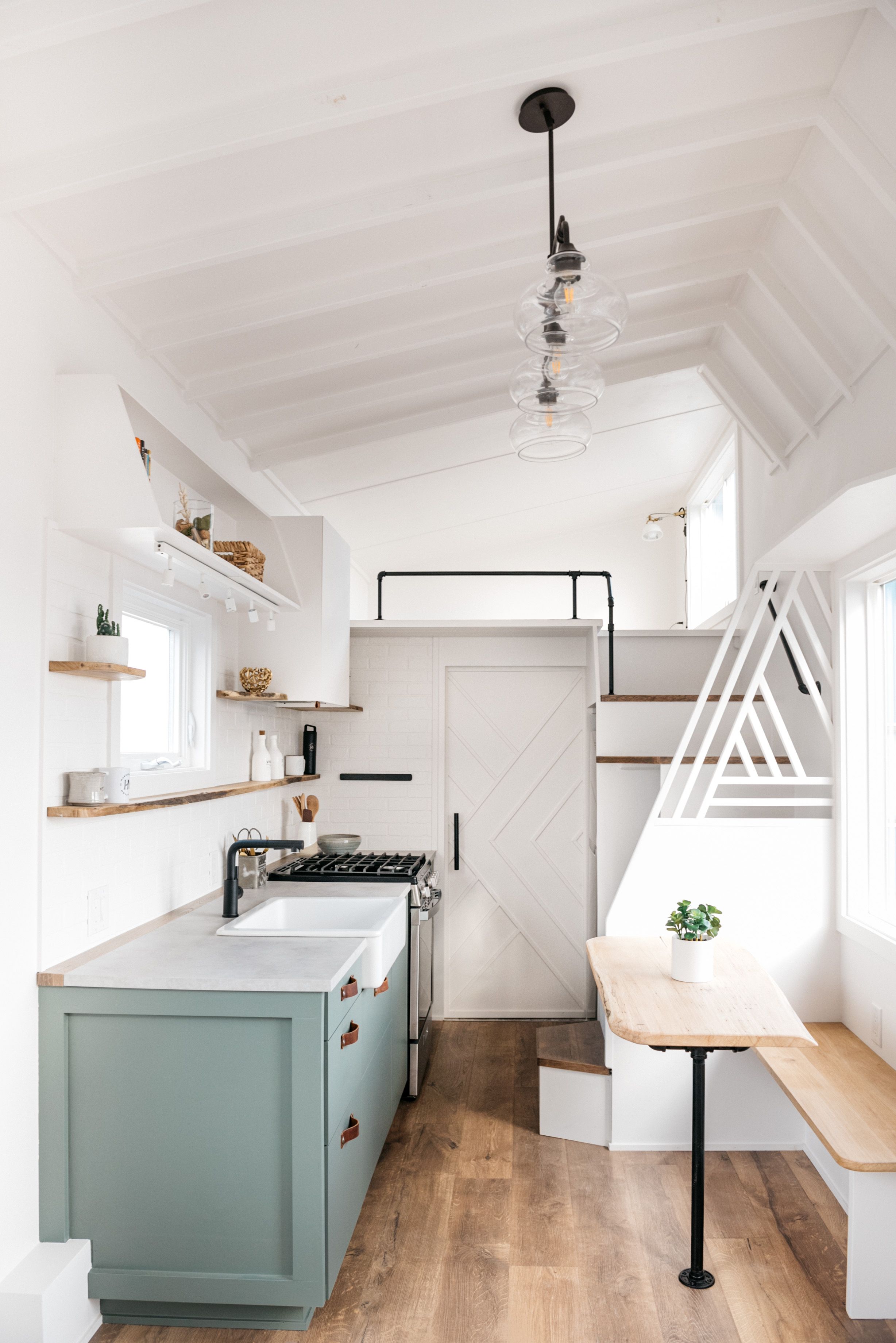
One of the challenges of living in a tiny home is managing storage efficiently. Innovative storage solutions can help keep your space organized and clutter-free. Think vertically by using wall-mounted shelves and cabinets. Under-bed storage and built-in furniture with hidden compartments are also great options.
Consider using multi-functional furniture to maximize limited space. For example, a sofa that converts into a bed or a dining table that folds into the wall can be incredibly useful in a tiny home.
Emphasizing Natural Light
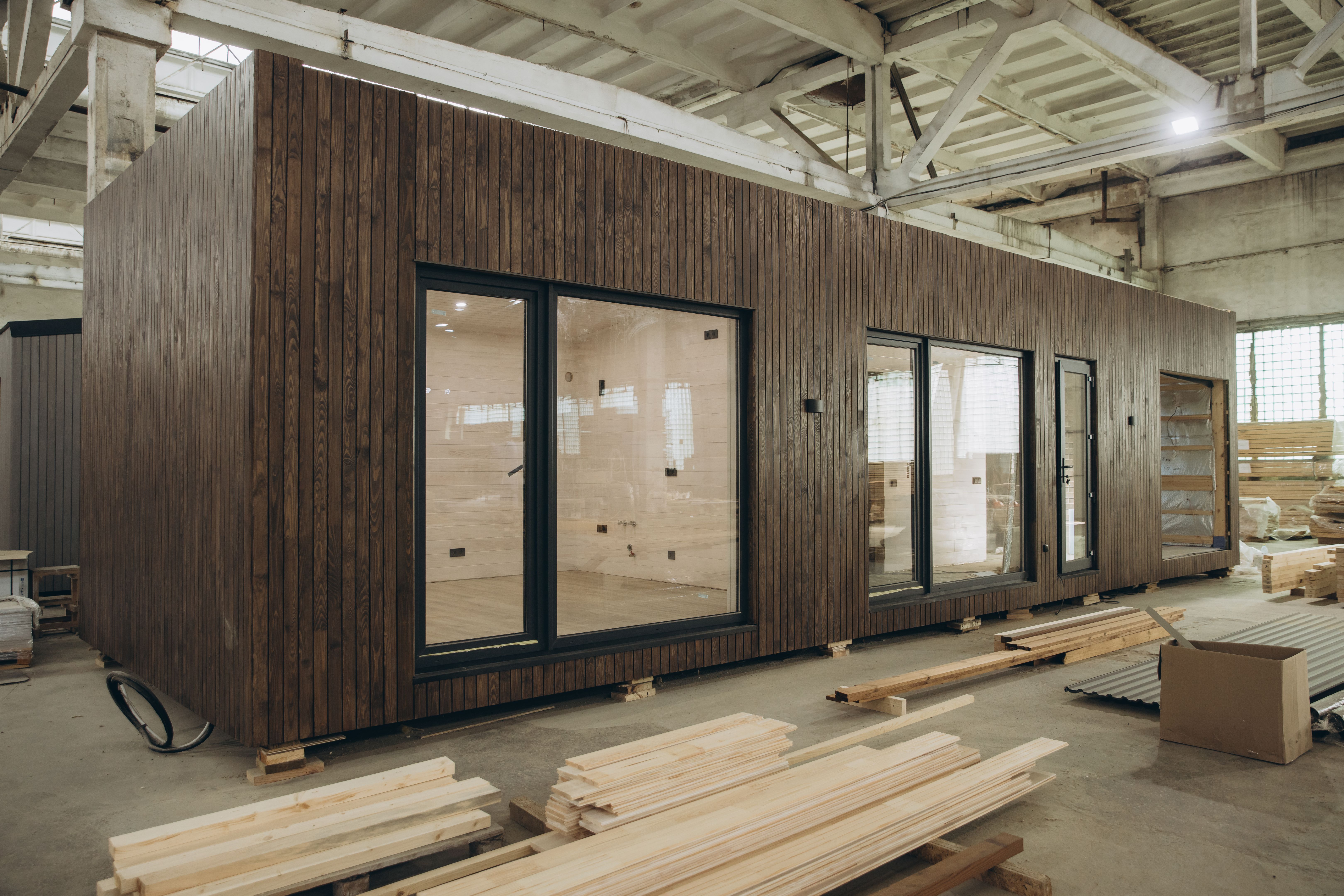
Natural light can make a small space feel much larger and more inviting. When designing your tiny home, prioritize large windows and skylights to bring in as much natural light as possible. This not only enhances the aesthetic but also improves your mood and well-being.
Using light-colored walls and reflective surfaces can further amplify the natural light, making your home feel airy and spacious.

Choosing the Right Materials
The materials you choose for your tiny home can significantly impact its overall feel and functionality. Opt for durable and sustainable materials that can withstand the test of time. Wood is a popular choice due to its warmth and versatility, but there are many eco-friendly options available as well.
Consider the climate and environment where your tiny home will be located, as this can influence your material choices for insulation and weather resistance.
Personalizing Your Space
Your tiny home should reflect your personality and lifestyle. Personal touches can make a big difference, whether it's through art, textiles, or unique decor. Don't be afraid to experiment with bold colors or patterns, as long as they don't overwhelm the space.
Incorporate elements that bring you joy and comfort, creating a space that feels uniquely yours.
Planning Efficient Systems
When designing a tiny home, it's important to plan efficient systems for heating, cooling, and water usage. Energy-efficient appliances and smart technology can help reduce your environmental impact and lower utility costs.
Consider renewable energy sources like solar panels, and think about water-saving fixtures to enhance sustainability.
Consulting with Experts
While DIY design can be rewarding, consulting with experts can provide valuable insights and prevent costly mistakes. Architects and interior designers specializing in small spaces can offer creative solutions you might not have considered.
Collaborating with professionals ensures that your tiny home is both functional and stylish, tailored to your specific needs and preferences.

Finalizing Your Design
Once you've incorporated all these elements, take the time to review and finalize your design. Make sure everything aligns with your vision and meets your practical needs. It's often helpful to create a 3D model or mock-up to visualize the final product.
With careful planning and thoughtful design, your tiny home can be a perfect blend of comfort, efficiency, and personal style.