
Navigating Local Regulations: What You Need to Know Before Building a Tiny Home in Utah
Understanding Zoning Laws
Before embarking on your tiny home journey in Utah, it's essential to familiarize yourself with local zoning laws. These laws dictate where you can place your tiny home and any restrictions that may apply. Each county or city may have different rules, so it's crucial to check with the local zoning office in your desired area.

In some areas, tiny homes are considered accessory dwelling units (ADUs), while others may classify them differently. Understanding these distinctions will help you determine the best location for your tiny home.
Permits and Approvals
Once you've identified a suitable location, the next step is to obtain the necessary permits. Building a tiny home in Utah often requires permits similar to those needed for traditional homes, including building, electrical, and plumbing permits. Ensuring you have all the required documentation will help avoid potential legal issues.
It's wise to engage with local officials early in the process. They can provide guidance and help streamline the approval process, ensuring that your project adheres to all local building codes.
Building Codes and Standards
Building codes are another critical aspect to consider when constructing a tiny home in Utah. These codes ensure that all structures meet safety and quality standards. Tiny homes must comply with the International Residential Code (IRC) or the standards set by the Recreational Vehicle Industry Association (RVIA), depending on their classification.

Researching and understanding these standards can prevent costly mistakes and ensure your tiny home is safe and legally compliant. It's often beneficial to work with a builder familiar with tiny home construction and Utah's specific regulations.
Utilities and Infrastructure
Connecting your tiny home to utilities is another essential consideration. You'll need to plan for water, sewage, and electricity connections. Some tiny home owners opt for off-grid solutions, but these too must comply with local regulations.
Consulting with utility providers in Utah can offer insights into the most efficient and legal ways to connect your home, whether it’s through traditional or alternative methods.
Community and Lifestyle Considerations
Building a tiny home is not just about adhering to legal requirements; it's also about finding a community that aligns with your lifestyle. Many areas in Utah are embracing the tiny home movement, offering communities specifically designed for these dwellings.
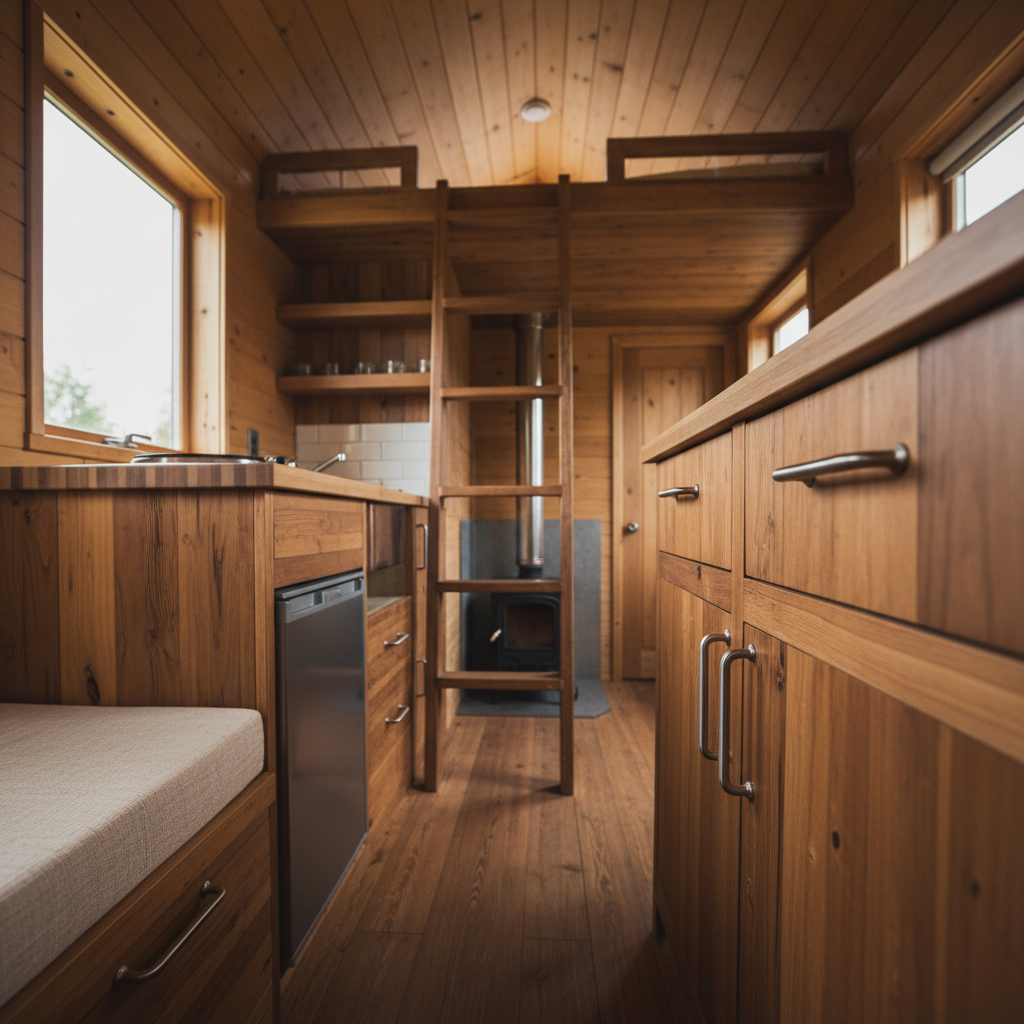
Living in such communities can provide a supportive environment and access to shared resources, making the tiny home lifestyle more sustainable and enjoyable.
Financing Your Tiny Home
Financing a tiny home can be a unique challenge, as traditional mortgage options may not always be available. However, alternative financing options are emerging, including personal loans, RV loans, and specialized tiny home loans.
It's essential to explore different financing avenues and work with lenders familiar with the tiny home market to find the best solution for your financial situation.
Conclusion
Navigating local regulations when building a tiny home in Utah can be complex, but with thorough research and preparation, it is entirely feasible. By understanding zoning laws, obtaining the necessary permits, adhering to building codes, and considering lifestyle and financing options, you can successfully establish your tiny home in this beautiful state.