
The Ultimate Guide to Designing Your Dream Small House
Designing a tiny home is a journey that intertwines creativity, functionality, and style. It’s about maximizing limited space while prioritizing comfort and aesthetic appeal. This guide will guide you through the crucial steps to bring your dream tiny to life.
Understanding Your Needs
Before diving into design specifics, it's crucial to understand your needs. Do you need a home office, or is a cozy reading nook more important? Identifying these requirements will guide your design decisions.

Once you have a clear understanding of your needs, think about the future. Will your family grow, or do you plan to host guests often? Flexibility in design can accommodate these changes and ensure your home remains functional over time.
Maximizing Space
In a tiny home, every square foot counts. Maximizing space involves smart planning and creative solutions. Consider open floor plans, which create a sense of spaciousness by eliminating unnecessary walls. Multi-functional furniture, such as sofa beds or extendable dining tables, can also be a game-changer.
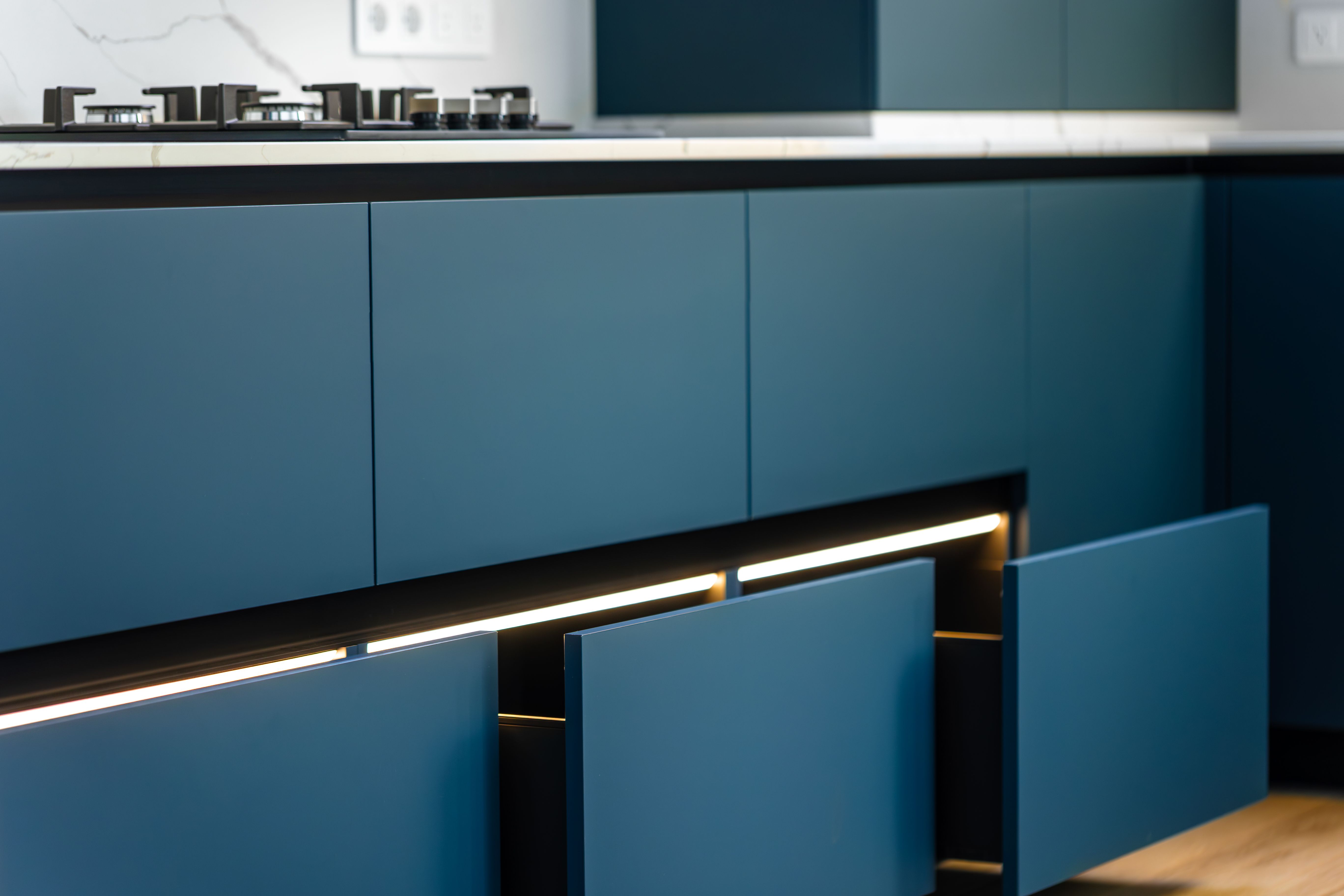
Vertical space is often underutilized in small homes. Use tall shelves and storage units to draw the eye upwards and increase storage without consuming valuable floor space. Custom-built furniture tailored to your home's dimensions can also make a significant difference.
Designing for Light
Natural light can make a small space feel larger and more inviting. Large windows, skylights, and glass doors are excellent ways to bring in light. Choose light-colored walls and reflective surfaces to enhance the brightness and create an airy atmosphere.
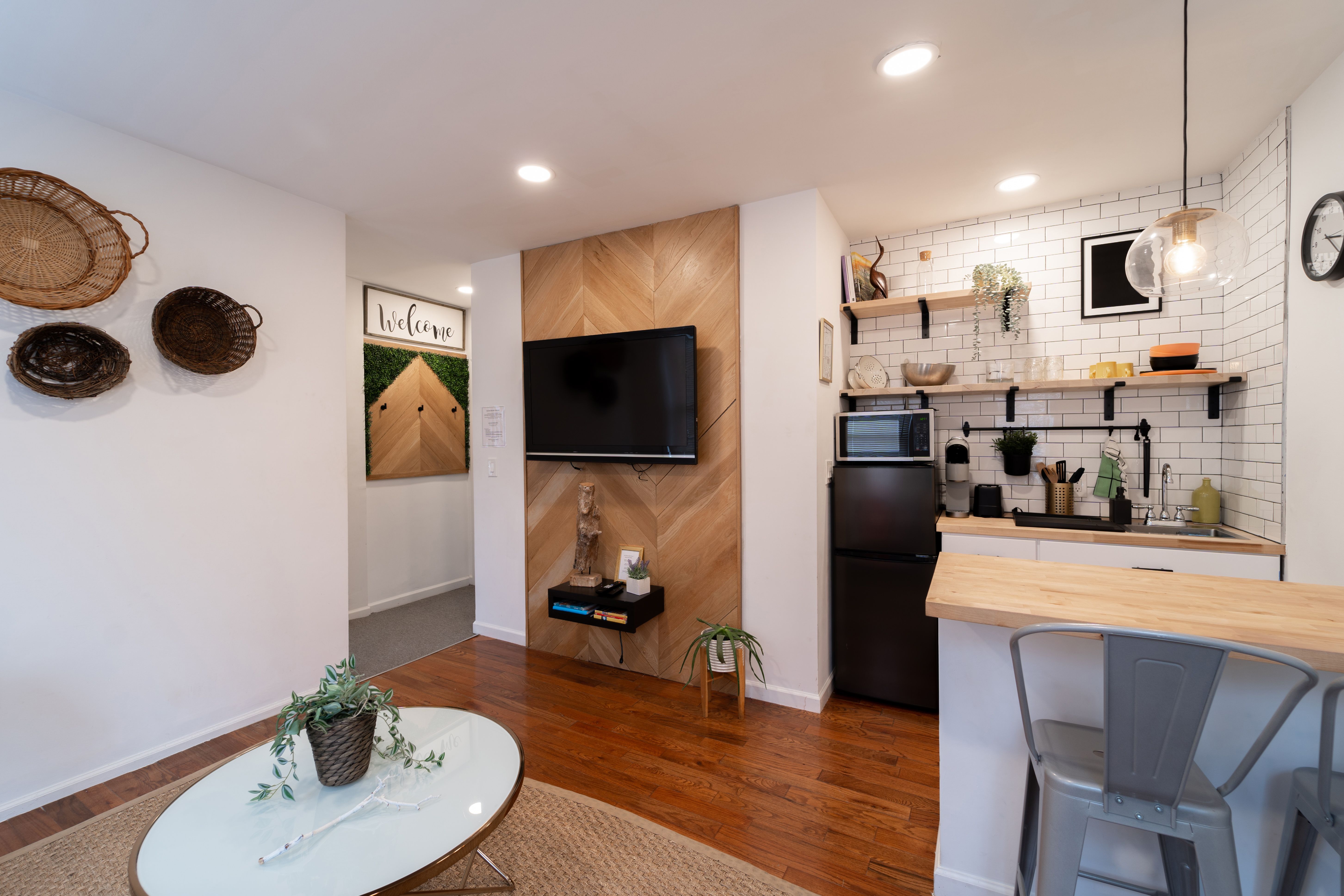
Consider the orientation of your house to maximize sunlight during the day. East-facing windows capture morning light, while west-facing ones are excellent for afternoon sun. Thoughtful placement of mirrors can also help distribute natural light throughout the space.
Choosing the Right Colors and Materials
The choice of colors and materials plays a significant role in the perception of space. Light, neutral colors often make rooms feel larger and more open. However, don't shy away from using bold accents to add character and depth.
Materials like glass, metal, and polished wood can reflect light and create a modern, spacious feel. Incorporating natural elements like stone or bamboo can add warmth and texture, balancing the sleekness of contemporary design.
Incorporating Personal Style
Your small house should reflect your personality and style. Whether you prefer a minimalist aesthetic or a cozy, eclectic vibe, infuse your space with elements that resonate with you. Personal touches can be added through artwork, textiles, and decorative items.

Remember, designing a small house is an ongoing process. As your lifestyle evolves, your space should adapt. Regularly reassess your needs and make adjustments to keep your home both functional and inspiring.
Check out our designs at mycocoonhomes.com