Tiny Homes vs. Traditional Homes: A Comprehensive Buyer's Guide
Understanding Tiny Homes
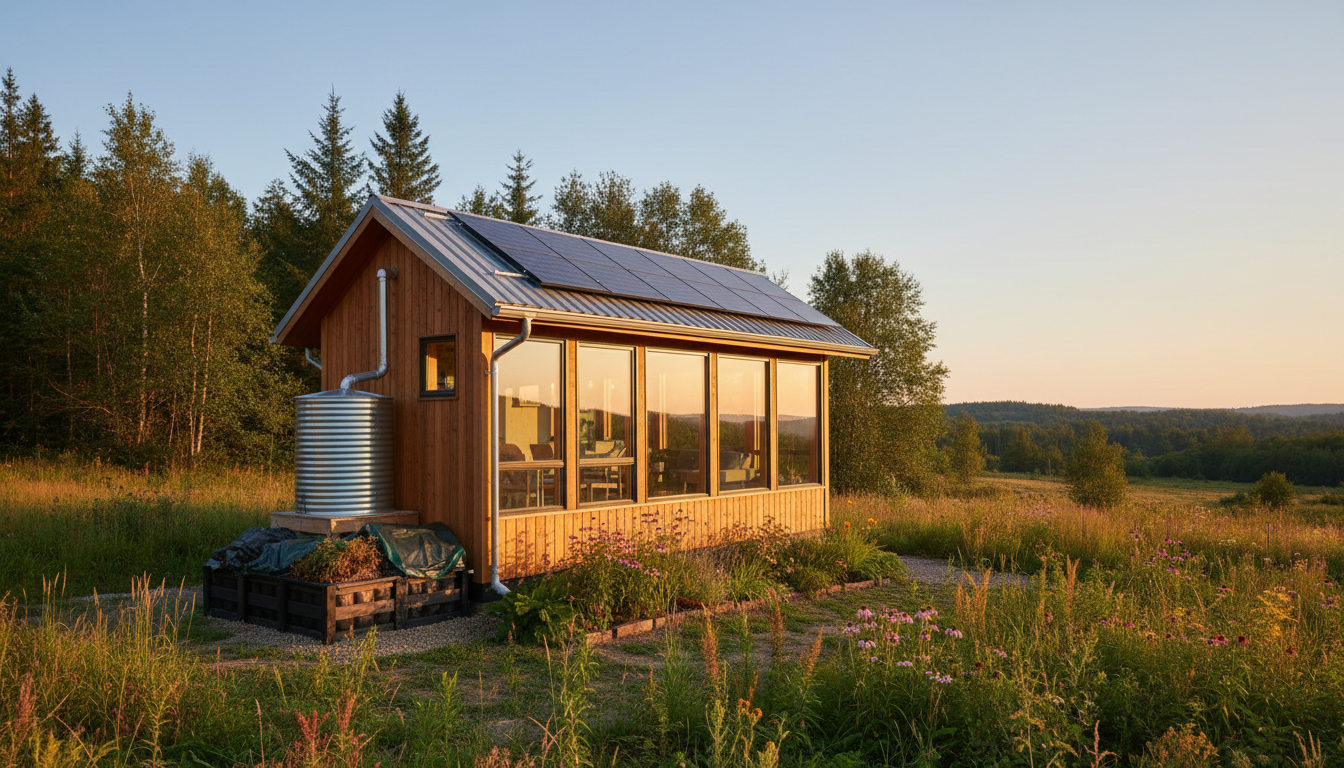
Tiny homes have gained popularity as a minimalist and eco-friendly housing option. Typically ranging from 100 to 400 square feet, they are designed to maximize space and minimize costs. These homes often appeal to those seeking a simpler lifestyle with reduced environmental impact.
One of the main attractions of tiny homes is their affordability. The lower cost of materials and construction makes them accessible to many. Additionally, tiny homes can often be built on wheels, providing the flexibility to travel and explore new locations without leaving home behind.
Exploring Traditional Homes
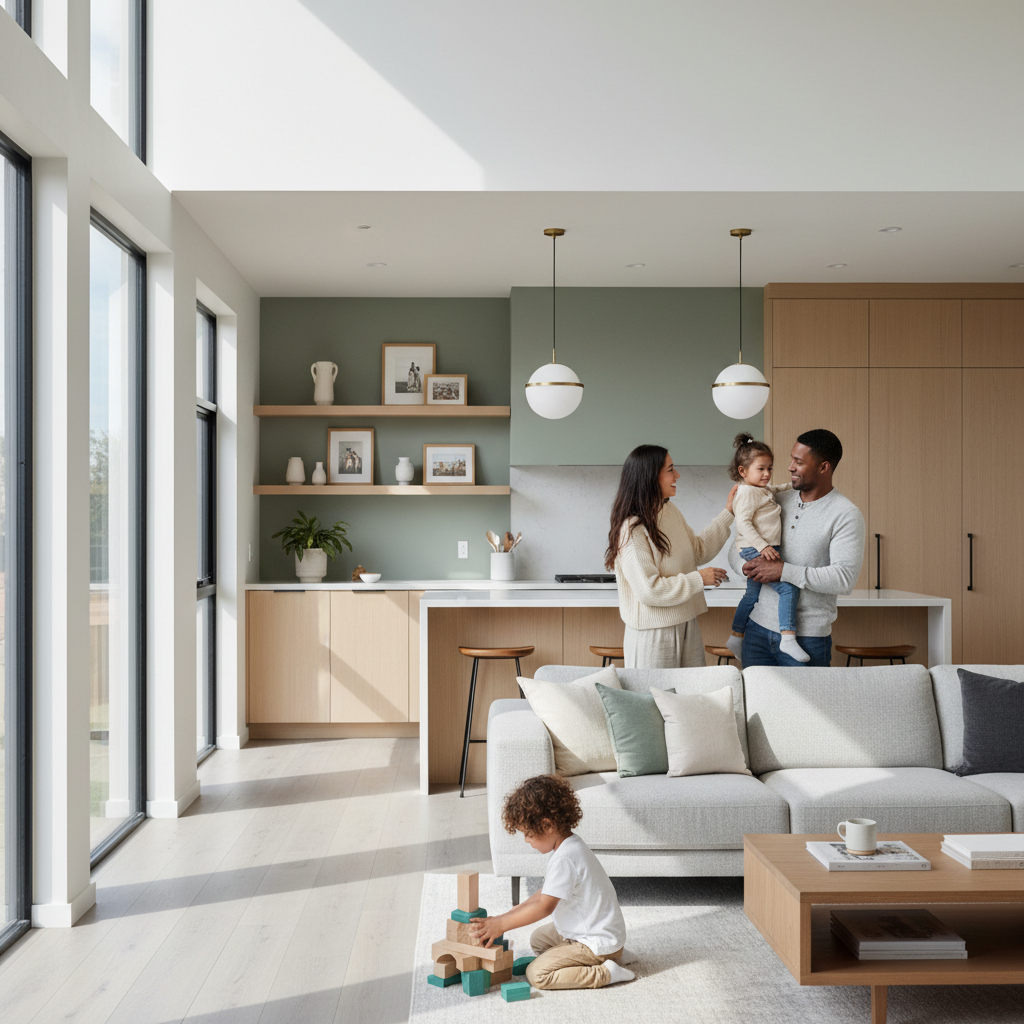
Traditional homes, on the other hand, offer more space and amenities. With an average size of around 2,500 square feet, they provide ample room for families and individuals who prefer a more conventional lifestyle. These homes often feature multiple bedrooms, bathrooms, and a variety of living spaces.
While traditional homes tend to be more expensive, they offer long-term investment potential. Property values generally appreciate over time, and the equity built can be a significant financial advantage. Additionally, traditional homes often come with larger plots of land, providing outdoor space for gardening or recreational activities.
Cost Considerations
When comparing tiny homes to traditional homes, cost is a major factor. Tiny homes generally cost between $30,000 and $100,000, depending on customization and location. In contrast, traditional homes can range from $200,000 to over a million dollars, based on size, location, and features.
The cost of living in a tiny home is often lower, with reduced utility bills and minimal maintenance expenses. However, financing can be more challenging, as tiny homes may not qualify for conventional mortgages. Buyers often need to explore alternative financing options.
Lifestyle and Space
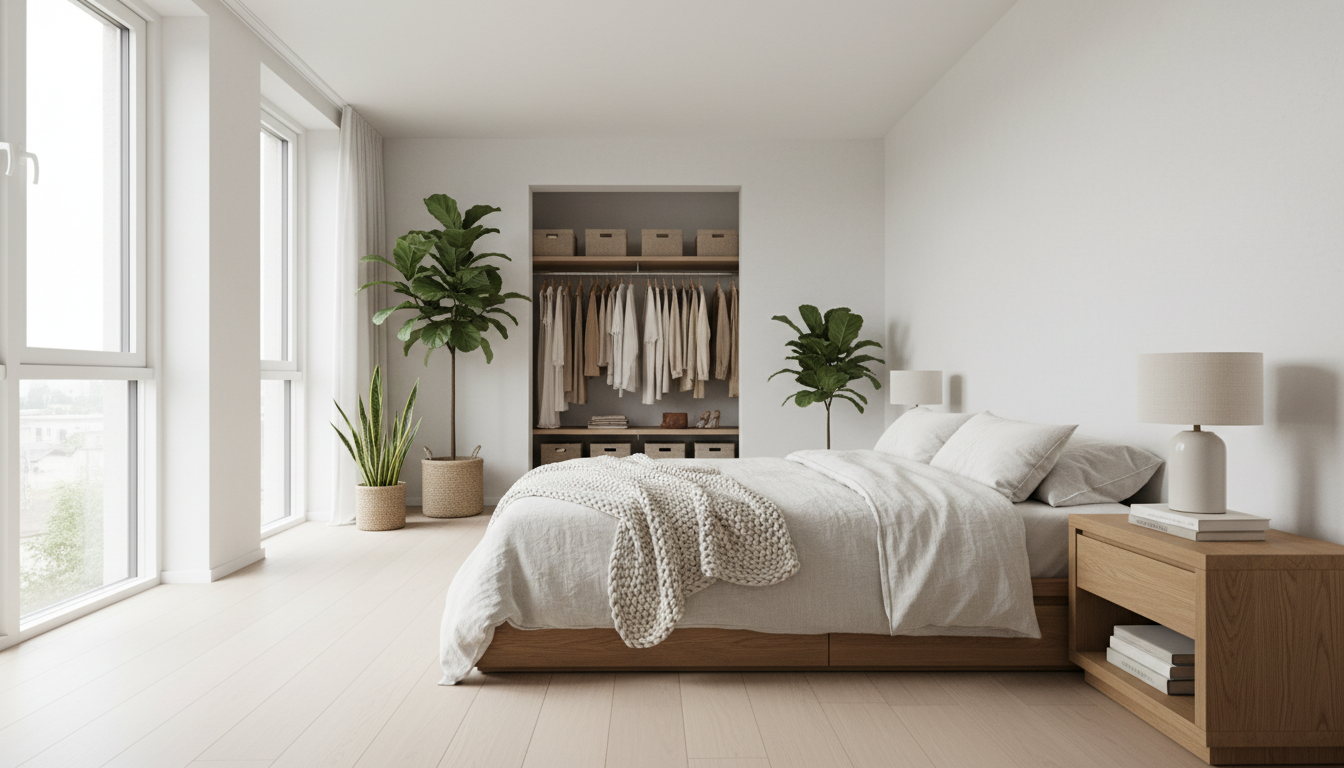
Choosing between a tiny home and a traditional home largely depends on lifestyle preferences. Tiny homes require a willingness to downsize and prioritize essentials. This lifestyle can lead to a more organized and clutter-free environment.
Traditional homes offer more space for personal belongings, hobbies, and entertaining guests. They are ideal for those who value privacy and room to grow. However, the larger space also means higher costs for furnishing and upkeep.
Environmental Impact
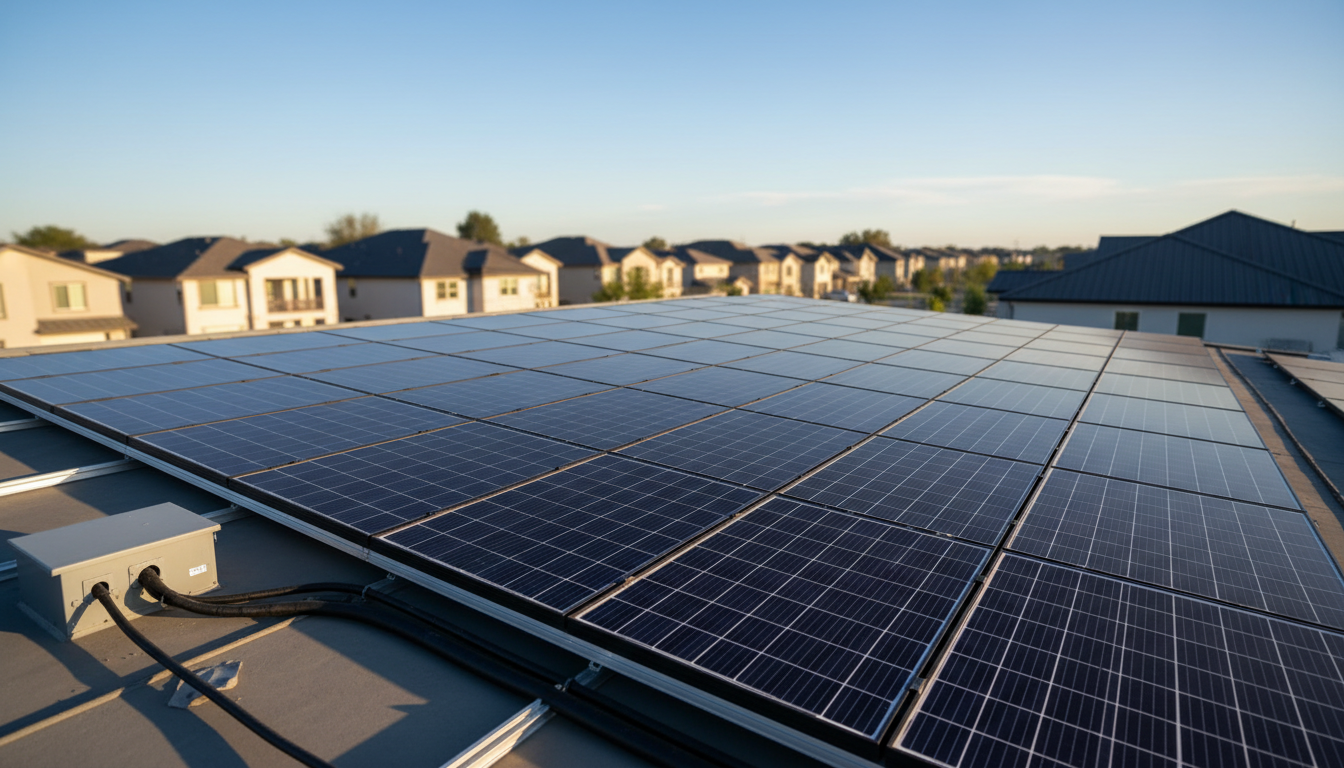
Tiny homes are often praised for their reduced environmental footprint. Their smaller size requires fewer resources and less energy, making them a sustainable choice for eco-conscious individuals. Many tiny homes incorporate renewable energy sources, such as solar panels, to further minimize impact.
Traditional homes have a larger environmental impact, but homeowners can take steps to reduce it. Installing energy-efficient appliances, using sustainable materials, and incorporating green building practices can help mitigate some of the environmental concerns.
Conclusion
Deciding between a tiny home and a traditional home involves weighing several factors, including cost, lifestyle, space, and environmental impact. Tiny homes offer simplicity and affordability, while traditional homes provide space and investment potential. Understanding these differences can help buyers make an informed decision that aligns with their needs and values.