
Success Stories: How Tiny Homes Changed Lives
The Rise of Tiny Homes
Tiny homes have taken the world by storm, offering a minimalist lifestyle that emphasizes simplicity and sustainability. As housing prices continue to rise, many people are seeking affordable alternatives, and tiny homes provide a perfect solution. These compact living spaces not only reduce costs but also encourage a more intentional way of living.
In recent years, the tiny home movement has grown significantly, inspiring individuals to downsize and redefine what it means to live well. For some, this change has been life-altering, providing newfound freedom and opportunities.
Financial Freedom and Minimalism
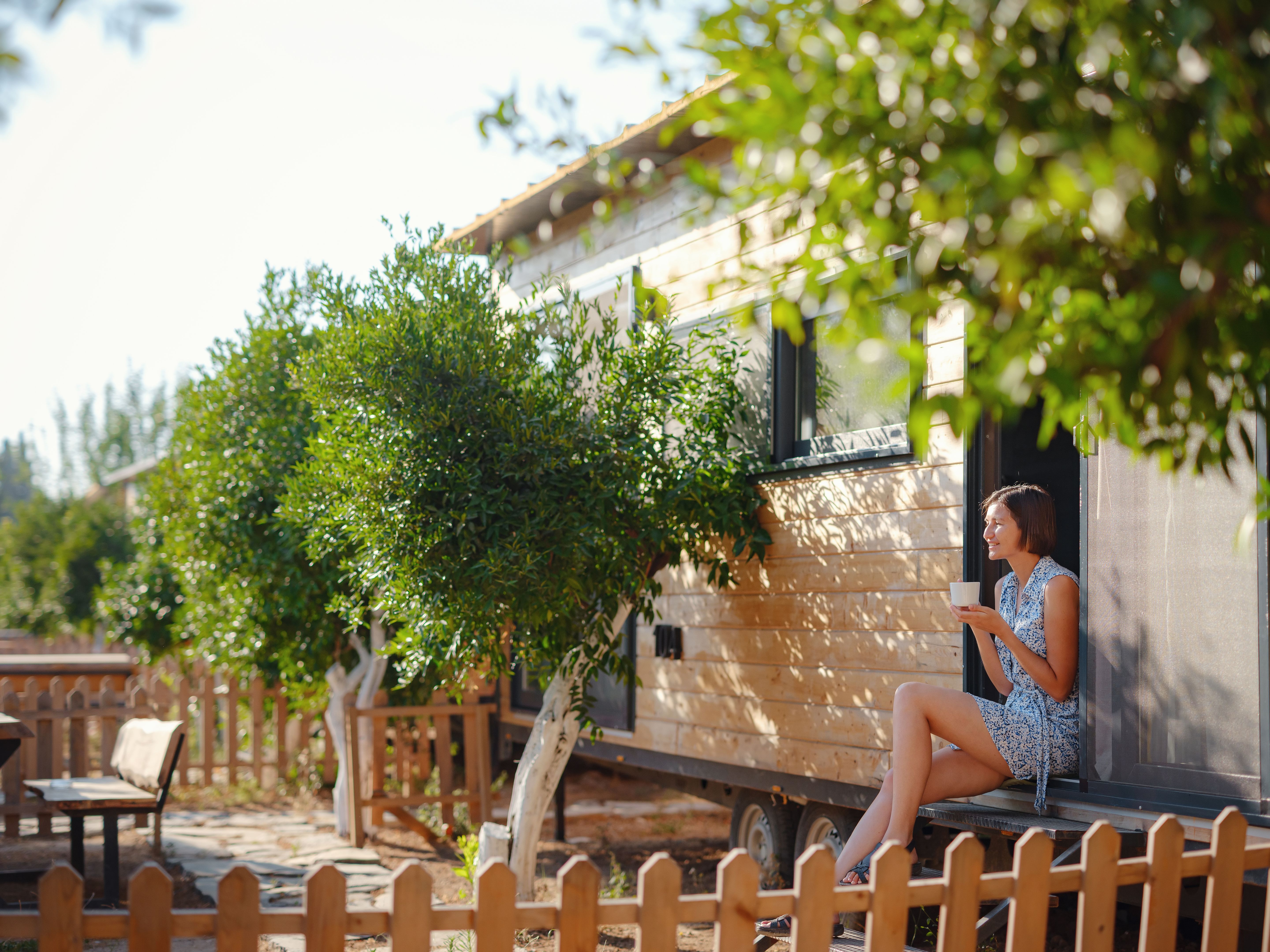
One of the most compelling aspects of tiny homes is the financial freedom they can offer. By drastically reducing living expenses, individuals are able to allocate resources toward other priorities. Many have been able to pay off debt, travel the world, or invest in new ventures. The minimalist lifestyle also encourages a focus on what truly matters, eliminating clutter and excess.
For example, consider Sarah, who transitioned from a 2,000-square-foot home to a 200-square-foot tiny house. This move allowed her to save significantly on mortgage payments and utility bills. The financial relief enabled her to start her own business, which had been a long-time dream.

Environmental Impact
Tiny homes are not just about personal gain; they also have a positive impact on the environment. With a smaller footprint, these homes consume fewer resources and generate less waste. Many tiny homeowners adopt eco-friendly practices such as solar panels, composting toilets, and rainwater collection systems.
John and Lisa, a couple who moved into a tiny home, found that their energy consumption dropped by over 50%. This reduction not only benefited the environment but also cut their energy bills significantly, reinforcing their commitment to sustainable living.

Building Communities
Beyond individual benefits, tiny homes have fostered the growth of close-knit communities. Many tiny home villages have sprung up, where residents share resources and support one another. These communities often emphasize cooperation and social interaction, creating a sense of belonging.
In one such village, residents come together for weekly potlucks and skill-sharing workshops. This communal living approach has strengthened relationships and provided a support system for those seeking a more connected lifestyle.
Challenges and Opportunities
While the benefits are numerous, transitioning to a tiny home does come with its challenges. Space constraints require creative solutions for storage and daily living. However, these challenges often lead to innovative designs and multifunctional furniture that maximize space.
Moreover, zoning laws and regulations can pose obstacles. Yet, as the movement gains momentum, more cities are adapting their policies to accommodate this trend, opening doors for more people to join the tiny home community.
A Future with Tiny Homes
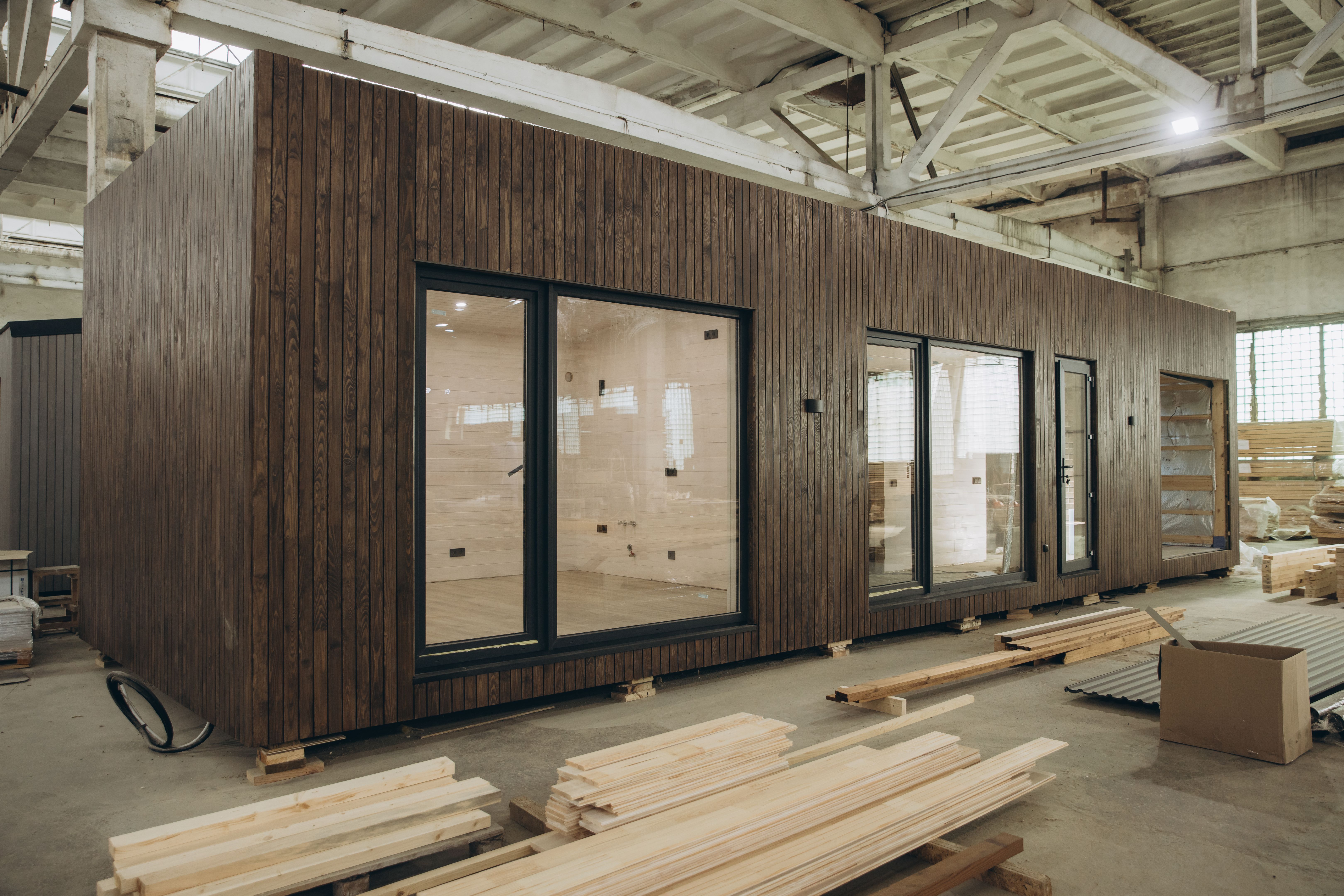
As more success stories emerge, it's clear that tiny homes have the potential to change lives. They offer a path to financial independence, environmental sustainability, and a more connected way of living. Whether as a permanent residence or a temporary retreat, tiny homes represent a shift toward a more intentional and fulfilling lifestyle.
For those considering the leap, the tiny home lifestyle promises a unique opportunity to redefine what it means to live well, proving that sometimes, less truly is more.